brightdigitalbd.com / Journal
Maximizing Success in Farm Equipment and Farming Equipment Business: Overcoming Challenges and Boosting Efficiency
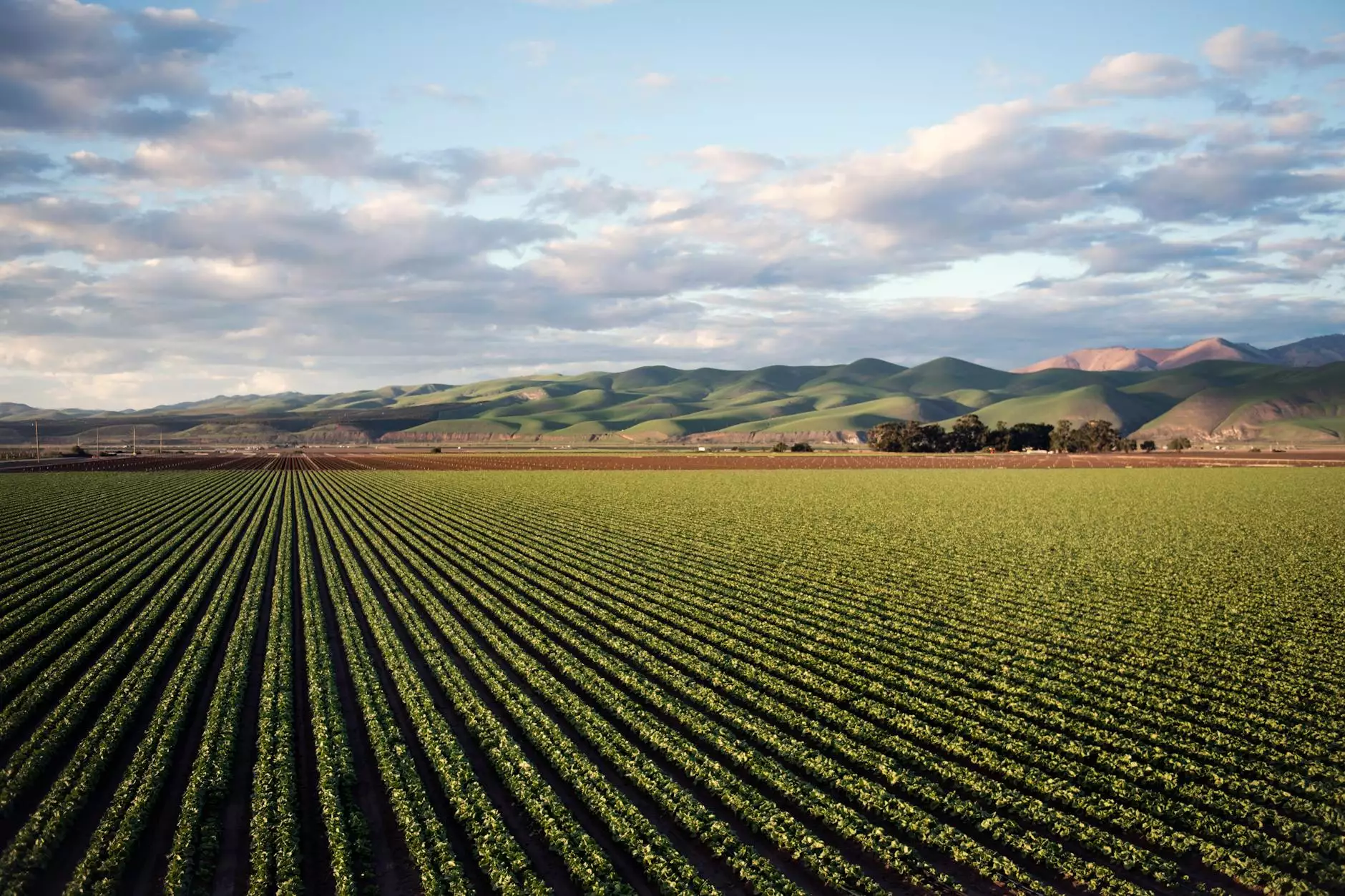
In the rapidly evolving agricultural industry, the significance of well-maintained farm equipment and streamlined farming equipment management cannot be overstated. As the backbone of sustainable and profitable farming operations, these assets require dedicated attention, expert repair services, and strategic planning to maximize productivity. Among the numerous challenges faced by agriculture businesses today, information silos problems emerge as a critical barrier to operational efficiency and decision-making accuracy.
Understanding the Importance of Reliable Farm Equipment Repair
Farm equipment repair is more than just fixing machinery—it's about ensuring longevity, safety, and optimal performance of essential farm tools. Fromtractors and harvesters to planting machinery, every piece plays a vital role in crop production, livestock management, and overall farm logistics.
Why is professional repair essential? Proper repair reduces downtime, enhances fuel efficiency, prevents safety hazards, and extends the lifespan of your equipment. Engaging with specialized providers, such as TSGC Inc., guarantees that repairs are performed with the latest techniques and genuine parts, maintaining the integrity and value of your assets.
Farming Equipment Management: Strategies for Success
Effective management of farming equipment involves meticulous planning, maintenance scheduling, inventory control, and data integration. Utilizing advanced management systems can dramatically improve farm productivity and profitability.
Some key strategies include:
- Implementing Preventive Maintenance: Regular inspections and servicing prevent costly breakdowns and increase equipment lifespan.
- Utilizing Modern Tracking Technologies: GPS and IoT devices provide real-time data on equipment location, performance, and maintenance needs.
- Optimizing Inventory Management: Ensuring availability of genuine spare parts and accessories avoids unforeseen downtime.
- Data-Driven Decision Making: Analyzing performance metrics supports strategic planning and resource allocation.
Addressing the Critical Issue: Information Silos Problems in Agriculture
One of the most persistent challenges in agricultural enterprises today is the presence of information silos problems. These occur when data and information are isolated within different departments or systems, hindering seamless communication and collaboration.
Impact of information silos problems include:
- Delayed decision-making due to lack of integrated data
- Repeated efforts and redundant data entry
- Inconsistent information leading to errors in operations
- Reduced ability to respond swiftly to operational issues
- Hindered transparency and accountability across teams
In the context of farm equipment and management, these issues can mean delays in maintenance alerts, inaccurate inventory tracking, and difficulty in planning for seasonal demands—all of which significantly impact overall farm efficiency and profitability.
Strategies to Solve Information Silos Problems in Farming Operations
Overcoming information silos problems requires a comprehensive approach centered around technology integration, process improvement, and cultural change within the organization. Here are powerful strategies:
- Adopt Centralized Data Platforms: Implement integrated management systems that unify data from maintenance, inventory, finance, and operations. Cloud-based solutions facilitate access across departments and remote locations.
- Ensure Data Standardization: Define consistent data formats and protocols to make information sharing smooth and error-free.
- Promote Interdepartmental Communication: Regular meetings and collaborative tools foster transparency and collective problem-solving.
- Invest in Training: Equip staff with the necessary skills to operate integrated systems effectively.
- Leverage IoT and Automation: Real-time sensors and automated alerts can break down data barriers, transmitting information seamlessly across the enterprise.
The Role of Cutting-Edge Technology in Modern Agriculture
Innovations such as precision agriculture, IoT sensors, AI analytics, and remote monitoring have revolutionized farming practices. These technologies are instrumental in overcoming information silos problems by creating transparent, real-time data exchange channels.
For instance, a comprehensive farm management platform enables farm operators to monitor equipment status, crop health, weather conditions, and supply chain logistics in one interface. This integration reduces inefficiencies, minimizes errors, and supports proactive maintenance schedules, leading to increased operational resilience.
The Benefits of Partnering with Trusted Agricultural Service Providers
Partnering with specialist companies like TSGC Inc. offers numerous advantages for farmers and agribusinesses:
- Access to experienced farm equipment repair technicians who utilize advanced diagnostic tools.
- Availability of high-quality spare parts tailored for specific machinery models.
- Customized maintenance plans that fit operational schedules and budgets.
- Expert advice on technology integration to combat information silos problems.
- Training programs to empower staff with efficient equipment and data management skills.
Enhancing Business Growth Through Strategic Innovation
To thrive in today’s competitive agricultural landscape, businesses must embrace innovation at every level. This includes leveraging data analytics, modern repair techniques, and integrated management systems to streamline operations and unlock new growth avenues.
Key focus areas for growth include:
- Expanding Service Offerings: Incorporate smart farming solutions, drone technology, and precision agriculture tools.
- Enhancing Customer Experience: Provide timely, reliable services with transparent communication and detailed reporting.
- Investing in Workforce Development: Train technicians and managers to operate new technologies effectively.
- Building Data-Driven Culture: Promote decision-making based on accurate, integrated data to optimize resource utilization.
Conclusion: The Path Forward for Farming Equipment Success
Success in the agricultural sector depends heavily on effective farm equipment repair, strategic management of farming equipment, and meaningful resolution of information silos problems. By adopting innovative solutions, embracing technology, and partnering with trusted experts like TSGC Inc., farming enterprises can enhance operational efficiency, reduce costs, and position themselves for sustainable growth.
Empowering your farm with integrated systems, skilled maintenance, and forward-thinking strategies ensures resilience amidst evolving industry challenges and drives long-term success.