brightdigitalbd.com / Journal
Empowering Modern Agriculture: Mastering Farm Equipment Repair, Farming Equipment, and Managing Moisture Content of Grains for Storage
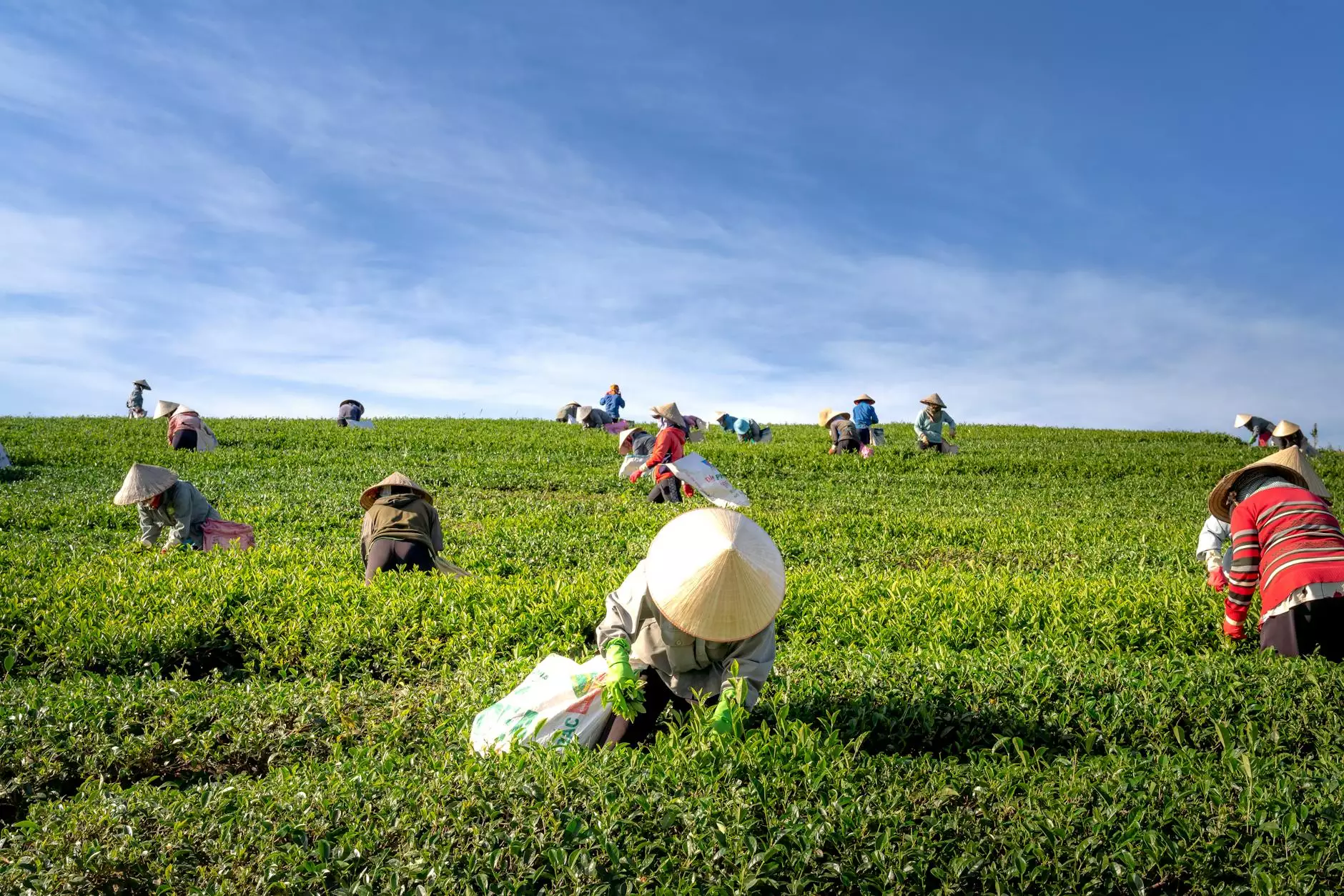
In the rapidly evolving world of agriculture, the keys to success lie in the efficient management of farming equipment, innovative repair techniques, and meticulous control of grain storage conditions. As agricultural practices become more complex, understanding how to optimize each component— from machinery to crop preservation— is crucial for farmers aiming to increase yields, improve quality, and ensure sustainable operations. At TSGC Inc., we specialize in offering top-tier farm equipment repair services and high-quality farming equipment solutions tailored to meet the needs of modern farmers. This comprehensive guide provides in-depth insights into essential practices for maintaining equipment integrity and, most critically, managing moisture content of grains for storage — a vital factor in safeguarding your harvest from spoilage and ensuring long-term profitability.
Section 1: The Significance of Farm Equipment Maintenance and Repair in Modern Agriculture
Effective farm equipment repair is the foundation of a productive and profitable farm. Outdated or malfunctioning machinery hampers workflows, increases operational costs, and can lead to crop losses. Regular maintenance not only extends equipment lifespan but also enhances operational efficiency. Farming machinery such as combine harvesters, plows, seeders, and irrigation systems require routine inspections, timely repairs, and upgrades to keep pace with technological advancements.
Benefits of Professional Farm Equipment Repair
- Minimized Downtime: Swift repairs ensure equipment operates smoothly during critical planting and harvesting windows.
- Cost-Effectiveness: Preventative maintenance reduces long-term expenses associated with major repairs or equipment replacement.
- Enhanced Fuel Efficiency: Well-maintained machinery consumes less fuel, decreasing operational costs and environmental impact.
- Improved Crop Yields: Properly functioning equipment leads to more accurate planting, harvesting, and crop management practices.
Section 2: Investing in Quality Farming Equipment for Sustainable Growth
The backbone of an efficient farm infrastructure is reliable farming equipment. Whether you’re expanding your operations or upgrading existing machinery, selecting high-quality equipment tailored for your specific agricultural needs is essential. High-performance equipment ensures consistent results, reduces manual labor, and fosters sustainable practices.
Types of Essential Farming Equipment
- Tractors: Versatile workhorses vital for tilling, planting, and hauling.
- Harvesters and Combines: Designed for efficient crop gathering and processing.
- Irrigation Systems: Drip or sprinkler systems for optimal water management.
- Seeders and Planters: Precision equipment for uniform crop establishment.
- Fertilizer Spreaders: Ensuring optimal nutrient distribution for healthy crops.
Choosing the Right Equipment
Factors such as size of the farm, crop type, soil conditions, and available budget play a vital role in selecting the appropriate machinery. Always opt for equipment from reputable manufacturers and ensure compatibility with existing farm infrastructure. Investing in durable, state-of-the-art farming equipment ultimately leads to better crop quality, reduced maintenance costs, and increased ROI.
Section 3: The Critical Role of Moisture Content of Grains for Storage
One of the most overlooked yet critical aspects of successful grain storage is managing the moisture content of grains for storage. Proper moisture levels are essential to prevent spoilage, mold growth, insect infestation, and biochemical changes that deteriorate grain quality. Achieving optimal moisture content is not a one-size-fits-all process; it requires understanding specific grain characteristics, environmental conditions, and storage techniques.
Understanding Moisture Content in Grains
Moisture content refers to the percentage of water present in grains, usually expressed on a wet basis. Each grain type has an optimal moisture range for storage, typically between 13% and 15%. Exceeding this range can lead to rapid deterioration, while too low moisture can cause grain cracking or loss of germ vitality.
Strategies to Manage Moisture Content of Grains for Storage
- Pre-Harvest Monitoring: Regularly test moisture levels during harvesting to determine the ideal time for collection.
- Proper Drying Procedures: Use grain dryers or natural aeration to reduce moisture to safe storage levels.
- Post-Harvest Handling: Minimize exposure to weather and handle grains carefully to prevent moisture absorption.
- Cooling and Ventilation: Maintain airflow in storage facilities to control temperature and reduce humidity.
- Use of Grain Bins with Moisture Control: Modern bins equipped with sensors and aeration systems help regulate internal conditions for longevity.
Tools and Technologies for Measuring Moisture Content
Accuracy in measuring moisture content is vital. Handheld moisture meters, laboratory testing kits, and advanced sensor systems integrated into storage units provide real-time data. These technologies enable proactive decisions, such as adjusting drying protocols or venting, to maintain grain quality.
Section 4: Best Practices for Ensuring Optimal Grain Storage Conditions
Once the desired moisture content of grains for storage is achieved, maintaining these conditions is crucial. Below are proven best practices for effective grain storage management:
- Temperature Control: Keep storage temperatures low (preferably below 15°C) to inhibit insect activity and mold growth.
- Regular Inspections: Conduct frequent checks for signs of spoilage, moisture intrusion, or pests.
- Effective Ventilation: Ensure continuous air circulation using aeration fans or natural airflow paths.
- Proper Sealing: Use high-quality seals and coverings to prevent moisture ingress from external sources.
- Pest Management: Implement integrated pest management strategies to keep insects and rodents at bay.
Section 5: The Impact of Proper Equipment Maintenance and Storage Practices on Business Success
Implementing strict maintenance routines for your farm equipment and diligently managing moisture content of grains for storage can significantly improve your farm’s profitability. Benefits include:
- Higher Quality Crops: Proper storage preserves grain quality, leading to better market prices.
- Reduced Waste and Spoilage: Maintaining ideal moisture and storage conditions minimizes losses.
- Operational Efficiency: Well-maintained machinery reduces downtime and repair costs, enabling timely planting and harvesting.
- Environmental Sustainability: Efficient use of equipment and storage practices contribute to environmentally friendly and sustainable agriculture.
- Market Competitiveness: Consistently high-quality produce enhances reputation and market share.
Section 6: How TSGC Inc. Supports Your Agricultural Success
At TSGC Inc., our mission is to empower farmers and agricultural businesses with reliable, innovative, and cost-effective solutions. Our core services include:
- Expert Farm Equipment Repair: Rapid turnaround times, skilled technicians, and customized maintenance plans.
- High-Quality Farming Equipment: A wide selection of modern machinery designed to enhance productivity.
- Grain Storage Solutions: Advanced storage facilities and moisture control systems to protect your harvest.
- Consultation and Training: Educating farmers on best practices for equipment maintenance and grain storage management.
By partnering with TSGC Inc., you gain access to industry-leading expertise that ensures your farming operations are efficient, sustainable, and profitable. Our commitment to quality and customer success makes us your ideal partner in agriculture.
Conclusion: Achieving Agricultural Excellence through Maintenance and Moisture Control
Success in modern farming hinges on meticulous attention to detail—from routine farm equipment repair and choosing the right farming equipment to carefully managing the moisture content of grains for storage. Implementing best practices in these areas not only safeguards your harvest but also maximizes your operational efficiency and economic returns. With continuous technological advancements and expert support from companies like TSGC Inc., farmers can embrace innovative solutions, elevate their practices, and thrive in a competitive marketplace.
Remember, investment in quality equipment, regular maintenance, and optimal storage conditions are not just expenses—they are strategic investments that yield long-term benefits, ensuring your farm’s prosperity for generations to come.