brightdigitalbd.com / Journal
Revolutionizing Metal Fabrication with the Power of the Rapid Prototyper
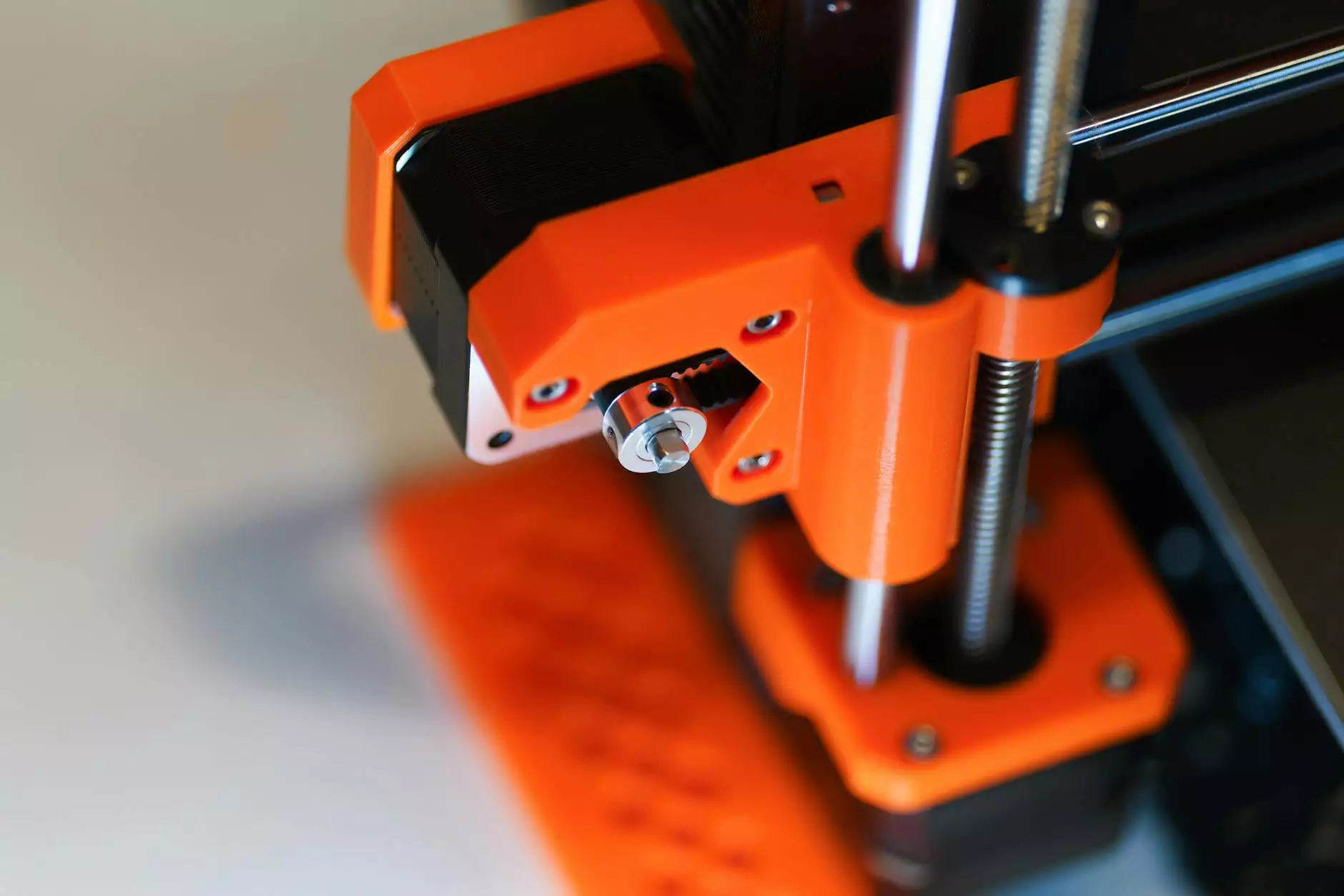
In today's highly competitive manufacturing landscape, innovation and speed to market are crucial factors that determine the success of any metal fabrication business. Among the technological advancements that have transformed this industry, the emergence of the rapid prototyper stands out as a game-changer. This sophisticated tool empowers metal fabricators to accelerate product development, refine designs with unparalleled precision, and significantly reduce operational costs.
Understanding the Role of a Rapid Prototyper in Metal Fabrication
A rapid prototyper in the context of metal fabrication refers to an advanced manufacturing system that allows for the quick creation of prototypes using high-precision 3D printing, CNC machining, or hybrid processes. It bridges the gap between conceptual design and functional product by enabling quick iteration cycles and testing. This capability is vital for industries that demand customized, complex, and high-performance metal components.
Unlike traditional fabrication methods that can take weeks or even months, a rapid prototyper can produce prototype parts within days or hours, drastically shortening the product development timeline. It facilitates meticulous testing, design validation, and optimization, leading to superior final products that meet exact specifications.
Key Technologies Behind the Rapid Prototyper
1. Metal 3D Printing
Metal 3D printing, also known as additive manufacturing, involves depositing fine layers of metal powders using laser or electron beam energy sources. This technology offers unmatched flexibility in creating complex geometries that traditional methods cannot easily achieve. It enables rapid iteration of intricate prototypes, functional parts, and even small production runs.
2. CNC Machining
High-speed CNC machining remains a cornerstone of modern rapid prototyping, especially in metal fabrication. Using computer-controlled tools, manufacturers can produce highly precise components from a wide range of metals, including aluminum, steel, titanium, and copper. CNC allows for rapid changes in design and high repeatability, essential for iterative prototyping.
3. Hybrid Manufacturing Systems
Combining additive and subtractive processes, hybrid systems offer flexibility in creating prototypes that require complex shapes with tight tolerances. These systems allow for the continuous refinement of parts, combining the speed of 3D printing with the precision of CNC machining.
The Significance of Rapid Prototyper in Modern Metal Fabrication
Accelerates Product Development Cycles
The ability to quickly produce prototypes means companies can iterate rapidly, test various design concepts, and make data-driven modifications without lengthy delays. This agility enhances market responsiveness and keeps businesses ahead of competitors.
Reduces Manufacturing Costs
Traditional tooling and manufacturing setups can be prohibitively expensive for small batch production or prototype testing. A rapid prototyper significantly cuts costs by reducing the need for expensive molds, tooling, and extensive labor hours, thus making it an economical choice for startups and established companies alike.
Enhances Design Accuracy and Complexity
The precision offered by modern rapid prototyper systems allows for the creation of parts with intricate geometries, internal cavities, and complex assemblies that are impossible or inefficient through conventional methods. This capability enables design innovation and lightweight structures, critical in aerospace, automotive, and medical industries.
Facilitates Material and Finish Testing
Prototypes produced using a rapid prototyper can utilize the actual materials intended for final production. This allows engineers to evaluate material behavior, surface finishes, and durability early in the development process, leading to better-informed decisions and product reliability.
Applications of Rapid Prototyper Technology Across Industries
- Aerospace: Development of lightweight, high-strength components with complex geometries for aircraft and spacecraft.
- Automotive: Creation of custom parts, innovative engine components, and functional prototypes for testing before mass production.
- Medical Devices: Fabrication of patient-specific implants, prosthetics, and surgical tools requiring high precision and biocompatible materials.
- Industrial Machinery: Prototype and production of machine parts with complex internal structures and customized features.
- Research & Development: Rapid validation of new materials, designs, and manufacturing processes to accelerate innovation cycles.
Choosing the Right Rapid Prototyper for Your Metal Fabrication Business
Evaluate Your Project Needs
- Complexity of design and geometries
- Type of metal materials required
- Volume of prototypes needed
- Budget constraints
Consider Technological Capabilities
- Does the system support the metals you work with?
- What is the surface finish quality?
- What are the tolerances achievable?
- Is there support for hybrid manufacturing?
Partner with Experienced Vendors
Leading metal fabricators like deepmould.net offer cutting-edge rapid prototyper solutions backed by technological expertise, quality assurance, and customer-centric services. Partnering with experienced vendors ensures you leverage the latest innovations and achieve optimal results.
Future Trends in Rapid Prototyper Technology
The field of rapid prototyping in metal fabrication is rapidly evolving with exciting innovations. Emerging trends include:
- Advanced Materials: Development of new metal powders with enhanced properties such as increased strength, flexibility, and biocompatibility.
- Increased Automation: Integration of AI and machine learning to automate design optimization and process parameters for faster turnaround times.
- Sustainable Manufacturing: Focus on reducing waste and energy consumption through optimized processes and recyclable materials.
- Large-Scale Metal 3D Printing: Expanding capabilities to produce larger, more complex parts suitable for industrial applications.
Embracing these trends allows businesses to stay at the forefront of manufacturing innovation, providing competitive advantages and expanding their market reach.
Why DeepMould.net is Your Premier Partner for Rapid Prototyper Solutions
As a leader in the metal fabricator industry, deepmould.net offers comprehensive rapid prototyping solutions that combine technological excellence with industry expertise. Here’s why our clients trust us:
- Cutting-edge Technology: We employ state-of-the-art rapid prototyper systems that ensure precision, speed, and flexibility.
- Material Diversity: Extensive experience working with various metals tailored to specific project requirements.
- Custom Solutions: We tailor prototyping processes to match your unique design and functional needs.
- Quality Assurance: Rigorous testing and inspection protocols guarantee prototypes meet the highest standards.
- End-to-End Support: From initial design validation to final prototype delivery, our team provides comprehensive support.
Investing in Your Future with Advanced Rapid Prototyping
Integrating a rapid prototyper into your metal fabrication business is not just an upgrade—it's a strategic move towards innovation, efficiency, and market leadership. By enabling faster iterations, greater design flexibility, and cost savings, it empowers your team to focus on what truly matters: creating exceptional products that meet and exceed customer expectations.
As industries continue to evolve toward highly customized and complex solutions, the importance of rapid prototyping technology will only grow. Partner with trusted experts like deepmould.net to harness this transformative power and position your business at the cutting edge of metal fabrication excellence.
Conclusion: Embrace the Power of the Rapid Prototyper for Industry Success
In summary, a rapid prototyper is an indispensable tool in modern metal fabrication, offering unmatched agility, precision, and cost-effectiveness. Whether you are developing prototypes for aerospace components, medical devices, or complex industrial machinery, the strategic deployment of this technology accelerates innovation and enhances your competitive advantage.
Seize the future of manufacturing by investing in the right rapid prototyping systems today. Collaborate with experienced partners like deepmould.net to unlock new possibilities, drive product excellence, and accelerate your business growth.